

What It Is
General anaesthesia (GA) is a controlled, reversible state of unconsciousness used to perform dental procedures on children who are extremely anxious, have special needs, or require extensive dental work. During GA, the child is fully asleep and unaware, which allows the dentist to complete a wide range of procedures in a single appointment without causing distress or discomfort.
How It’s done
Pre-Procedure Assessment:
- The child’s medical history and current health are evaluated by the dental team and an Anaesthesiologist.
- Parents/guardians are given clear instructions about fasting before the procedure (usually no food or drink for 6–8 hours).
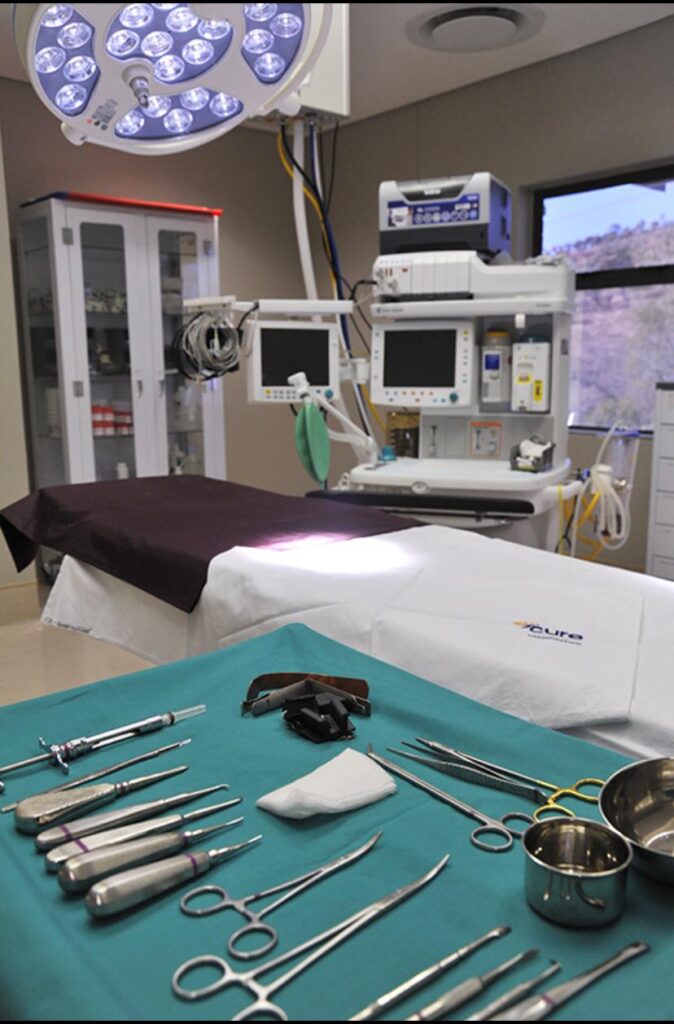
Administration of Anaesthesia:
- An anaesthesiologist induces general anaesthesia through inhalation (mask).
- The child is put into a deep sleep, ensuring they are unaware and pain-free throughout the procedure.
Dental Treatment:
- Once under GA, the dentist performs the required procedures, which may include multiple fillings, extractions, crowns, or other restorative treatments.
- The child remains monitored closely during the entire procedure anaesthesiologist to ensure safety.
Post-Procedure Recovery:
- After the treatment is completed, the child is carefully brought out of anaesthesia and monitored until they are fully awake.
- The child may need to stay in the recovery area for a short time to ensure they are stable before being sent home.
Post-Operative Care:
- Parents/guardians are given instructions on how to care for the child’s mouth and manage any potential side effects, such as grogginess, mild discomfort, or nausea.
- Follow-up appointments may be required to ensure proper healing.
When It’s Used
- For anxious or fearful children who cannot tolerate dental procedures with local Anaesthesia.
- For children with special healthcare needs or conditions (e.g., autism, sensory sensitivities, or behavioural disorders) that make it difficult for them to stay still or cooperate.
- When a child needs extensive dental treatment in one appointment, which would be difficult to achieve with local anaesthesia or sedation.
- In cases where a child has medical conditions that require extra care during procedures.
